
The best time for stargazing in Joshua Tree happens when the night sky is at its darkest and clearest. As experts in luxury vacation rentals throughout Southern California, including properties near Joshua Tree National Park, APEK Rentals has helped countless guests plan amazing stargazing adventures. Our Joshua Tree vacation rentals serve as the perfect base camp for exploring the dark skies above this International Dark Sky Park.
At APEK Rentals, we believe that the magic of Joshua Tree extends far beyond daylight hours. Our guests often tell us that watching the Milky Way emerge over the desert landscape from the comfort of their vacation rental’s patio is one of their most treasured memories.
Whether you’re staying at one of our Palm Springs properties or planning a Joshua Tree weekend getaway, you’re just a short drive away from some of the most incredible night sky viewing in the world.
Table of Contents
- Best Times for Stargazing in Joshua Tree
- Top Stargazing Locations in Joshua Tree
- What You Can See in Joshua Tree’s Night Sky
- Tips and Tricks for the Best Stargazing Experience
- Conclusion
- Frequently Asked Questions (FAQ)
Best Times for Stargazing in Joshua Tree
The timing of your stargazing adventure can make all the difference between a good experience and an absolutely magical one. Here are the optimal times to see the night sky at its finest.
1. New Moon Phases
The new moon phase offers the darkest skies possible for stargazing. During this time, the moon is not visible in the night sky, which means there’s no moonlight to wash out the fainter stars and celestial objects.
Key Details:
⭐ Best Visibility: Milky Way and deep space objects clearly visible
💫 Moon Phase: Occurs every 29.5 days
🌌 Duration: Best viewing lasts about 3-4 days around new moon
⏰ Peak Hours: 10 PM to 4 AM
During new moon nights, you can see thousands of stars that are normally hidden by light pollution. After your night adventure, consider exploring the Panorama Loop Trail during daylight hours.
2. Summer Months (June – August)
Summer offers the best time to see the Milky Way’s galactic center in all its glory. The center of our galaxy is positioned perfectly for viewing during these warm desert nights.
What Makes Summer Special:
⭐ Milky Way: Galactic center visible in southern sky
💵 Weather: Warm nights perfect for outdoor viewing
📍 Best Viewing: 10 PM to sunrise
🌌 Constellations: Summer Triangle, Scorpius, Sagittarius clearly visible
The Summer Triangle, made up of the bright stars Vega, Altair, and Deneb, serves as an excellent guide for locating other celestial objects.
3. Fall and Winter Seasons
While summer gets the most attention, fall and winter offer their own unique stargazing rewards with cooler temperatures and different constellations.
Fall Benefits (September – November):
⭐ Great Square of Pegasus: Easy to spot constellation
🌌 Andromeda Galaxy: Visible to naked eye on dark nights
💵 Comfortable: Cooler temperatures for longer viewing sessions
Winter Highlights (December – February):
⭐ Orion Nebula: Stunning stellar nursery visible in Orion’s sword
🌟 Sirius: Brightest star in night sky
❄️ Clear Air: Less atmospheric moisture for clearer views
📍 Long Nights: Extended darkness for more viewing time
4. Early Morning Hours (2 AM – 5 AM)
For the most dedicated stargazers, the pre-dawn hours offer some of the best viewing conditions with minimal human activity and the clearest skies.
Why Early Morning is Special:
⭐ Darkest Skies: Least light pollution from surrounding areas
🚗 No Traffic: Minimal car headlights on park roads
🌌 Best Photography: Optimal conditions for astrophotography
⏰ Quiet Time: Peaceful atmosphere enhances the experience
Top Stargazing Locations in Joshua Tree
Joshua Tree National Park offers numerous excellent spots for observing the night sky. Here are the best locations our APEK Rentals guests recommend.
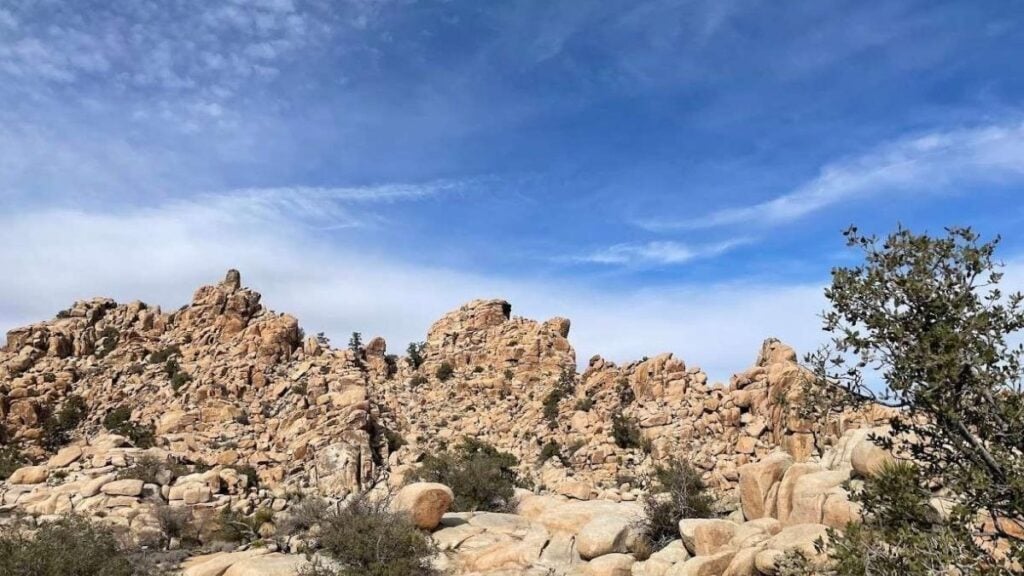
1. Hidden Valley Parking Lot
Hidden Valley is one of four designated stargazing areas in Joshua Tree, offering convenient access and great amenities.
Key Details:
⭐ Rating: 4.8/5 stars from 1,905 reviews
📍 Location: 74485 National Park Dr, Twentynine Palms, CA 92277
📞 Contact: (760) 367-5500
🚻 Amenities: Restrooms available
🚗 Parking: Stay within 20 feet of vehicle
⏰ Hours: Open 24/7
This location combines easy access with excellent dark skies. The surrounding Joshua Trees and rock formations create a dramatic silhouette against the star-filled sky, making it perfect for both viewing and photography.
2. Cap Rock Parking Lot
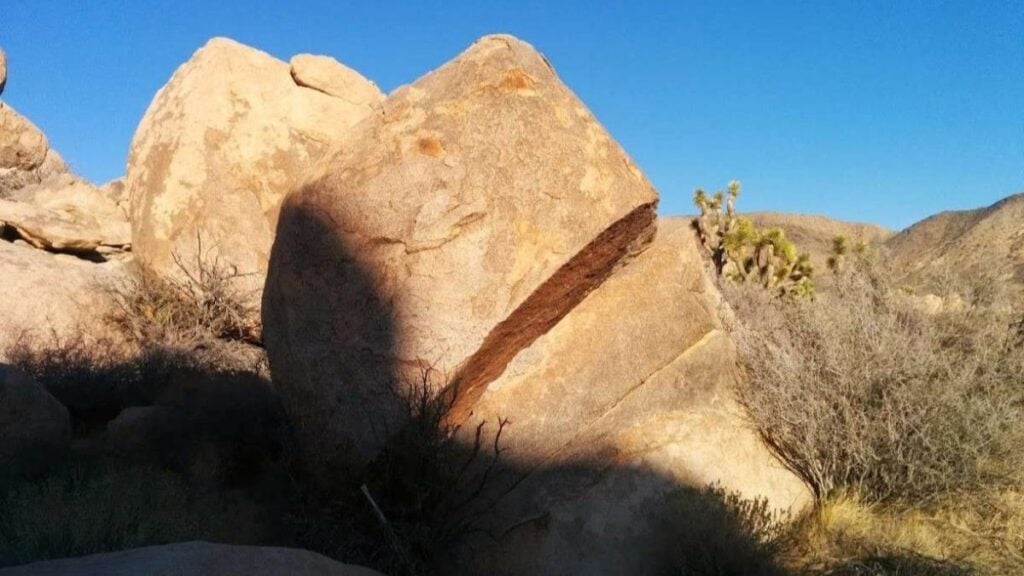
Cap Rock provides excellent stargazing opportunities with the added bonus of interesting rock formations as foreground subjects.
Key Details:
⭐ Rating: 4.8/5 stars from 730 reviews
📍 Location: Cap Rock Nature Trail, Twentynine Palms, CA 92277
📞 Contact: (760) 367-5500
🏔️ Features: Unique rock formations
📸 Photography: Excellent foreground subjects
⏰ Hours: Open 24/7
Cap Rock’s distinctive boulder formations create amazing opportunities for astrophotography, allowing you to frame the Milky Way through natural rock arches and behind the park’s iconic Joshua Trees.
3. Ryan Mountain Parking Lot
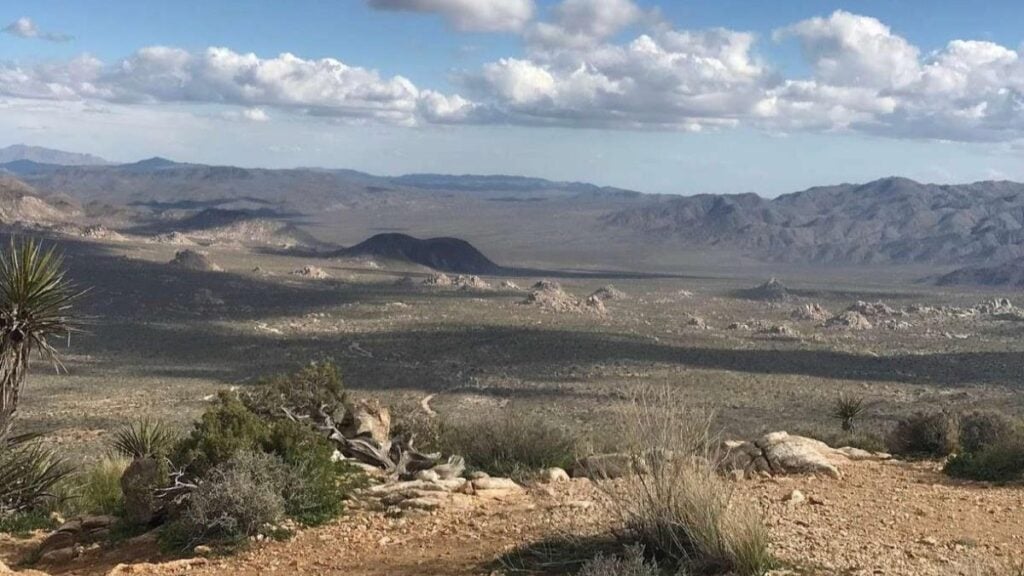
Ryan Mountain offers elevated views and some of the best stargazing conditions in the park.
Key Details:
⭐ Rating: 4.9/5 stars from 134 reviews
📍 Location: Ryan Mountain Trail, Twentynine Palms, CA 92277
🏔️ Elevation: Higher altitude for clearer skies
🌌 Views: Panoramic desert vistas
⏰ Hours: Open 24/7
The higher elevation at Ryan Mountain provides even clearer skies and spectacular 360-degree views of the surrounding desert landscape under the stars.
4. Pinto Basin Road Pullouts
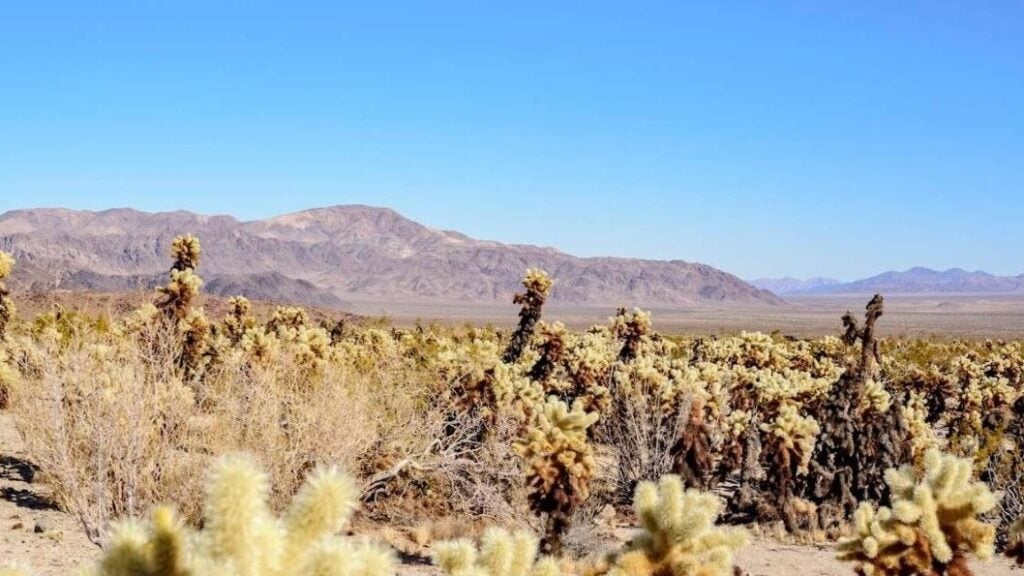
Pinto Basin Road between Cholla Cactus Garden and Cottonwood offers the darkest skies and minimal traffic.
Key Details:
⭐ Rating: 4.8/5 stars from 356 reviews
📍 Location: Between Cholla Cactus Garden and Cottonwood
📞 Contact: (760) 367-5500
🌌 Best Feature: Darkest area of the park
🚗 Traffic: Minimal vehicle disturbance
⏰ Hours: Open 24/7
This remote section of the park offers the ultimate in dark sky viewing, with virtually no light pollution and excellent visibility of deep space objects.
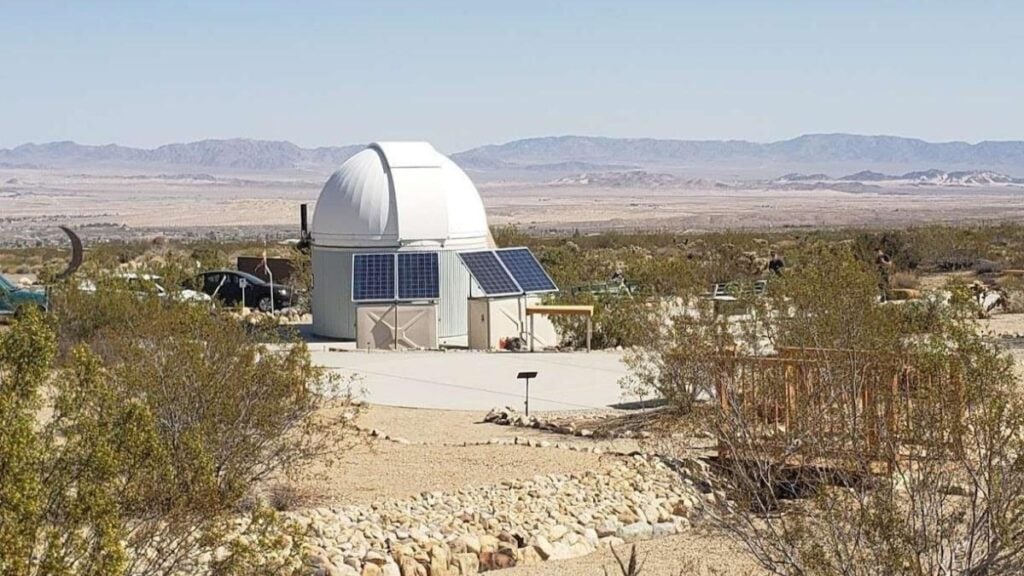
5. Sky’s The Limit Observatory
Sky’s The Limit Observatory offers guided stargazing experiences just outside the park boundaries.
Key Details:
⭐ Rating: 4.7/5 stars from 472 reviews
📍 Location: 9697 Utah Trail, Twentynine Palms, CA 92277
📞 Contact: (760) 490-9561
🔭 Telescopes: Professional equipment available
👨🏫 Programs: Expert-led night sky programs
⏰ Hours: Open 24/7, special programs on weekends
This observatory provides telescopes and expert guidance, making it perfect for beginners who want to learn about the night sky while experiencing world-class stargazing.
What You Can See in Joshua Tree’s Night Sky
Joshua Tree’s International Dark Sky status means you can observe celestial wonders that are invisible in most populated areas.
Summer Night Sky Highlights
During summer months, Joshua Tree offers spectacular views of the Milky Way’s galactic center. The band of our galaxy stretches dramatically across the southern sky, appearing as a bright, cloudy river of stars. Look for the Summer Triangle formed by the bright stars Vega, Altair, and Deneb, which serves as an excellent starting point for navigation.
The constellation Scorpius is particularly stunning, with its red supergiant star Arcturus glowing like a ruby in the desert sky. Use binoculars to explore the many star clusters and nebulae in this region of space.
Winter Stargazing Treasures
Winter brings Orion, the hunter, high into the southern sky. The Orion Nebula, visible in Orion’s sword as a fuzzy patch to the naked eye, becomes a spectacular stellar nursery when viewed through a telescope. Orion’s belt points directly to Sirius, the brightest star in the night sky.
The Big Dipper rotates around Polaris, the North Star, throughout the night, providing an excellent way to orient yourself and track the Earth’s rotation.
Deep Space Objects
With truly dark skies, Joshua Tree reveals deep space treasures normally hidden from view. The Andromeda Galaxy, our nearest galactic neighbor, appears as a faint oval cloud in the constellation Andromeda. The Great Square of Pegasus helps guide you to this distant island of stars.
Meteor showers like the Perseid Meteor Shower in mid-August become spectacular light shows, with shooting stars appearing every few minutes during peak activity.
Tips and Tricks for the Best Stargazing Experience
As your hosts at APEK Rentals, we’ve gathered insider tips from years of helping guests plan perfect stargazing adventures. These simple strategies will help you make the most of Joshua Tree’s incredible night sky.
Essential Equipment:
- Red flashlight or headlamp to preserve night vision
- Comfortable chair or blanket for extended viewing
- Warm clothing – desert temperatures drop significantly at night
- Star chart or stargazing apps like Stellarium or SkySafari
- Binoculars for closer views of star clusters and the moon
- Tripod for steady astrophotography
Timing Strategies:
- Check moon phase calendars and plan visits during new moon periods
- Arrive early to scout your location while there’s still daylight
- Allow 20-30 minutes for your eyes to fully adapt to darkness
- Avoid using white lights or looking at phone screen.
- After your night adventure, consider staying nearby to explore the Panorama Loop Trail during daylight hours.
Weather Considerations:
- Clear skies are essential – check weather forecasts carefully
- High desert elevation means cooler temperatures year-round
- Bring layers as temperatures can drop 30-40 degrees after sunset
- Stay hydrated and bring snacks for longer viewing sessions
Photography Tips:
- Use manual camera settings with wide aperture (f/2.8 or lower)
- Try shutter speeds of 15-25 seconds to avoid star trails
- Focus on infinity or use a bright star for focusing
Many of our guests at APEK Rentals vacation properties start their stargazing journey right from their rental’s patio or pool area, then venture into the park for the ultimate dark sky experience.
Conclusion
The best time for stargazing in Joshua Tree combines dark moon phases with clear desert skies and comfortable viewing conditions. Whether you visit during summer to witness the Milky Way’s galactic center or explore winter’s brilliant constellations like Orion, Joshua Tree National Park offers world-class stargazing opportunities that will leave you breathless.
At APEK Rentals, we understand that the magic of Joshua Tree extends far beyond daylight hours. Our carefully selected vacation rentals provide the perfect base for your stargazing adventures, with many properties offering private outdoor spaces where you can begin your night sky exploration. From our comfortable homes, you’re just minutes away from some of the darkest skies in Southern California.
Ready to plan your amazing stargazing getaway? Get in touch with Apek Rentals to book your perfect trip today and see why the night sky in Joshua Tree has amazed astronomers and dreamers for a long time!
Frequently Asked Questions (FAQ)
What is the best time to stargaze in Joshua Tree?
The best time for stargazing in Joshua Tree is during new moon phases when the sky is darkest, typically occurring every 29.5 days. Summer months (June-August) offer the best views of the Milky Way’s galactic center, while winter provides excellent viewing of constellations like Orion.
Can I see the Milky Way from Joshua Tree?
Yes! Joshua Tree National Park is an International Dark Sky Park, making it one of the best places in Southern California to see the Milky Way. On clear, moonless nights, the galactic center appears as a brilliant band of light across the southern sky, especially during summer months. Many of our vacation rental guests are amazed by their first clear view of our galaxy from their patio before heading into the park.
What time of night is best for stargazing?
The best stargazing typically occurs between 10 PM and 4 AM, when the sky is darkest and most celestial objects are visible. The hours between 2-5 AM offer the darkest conditions with minimal light pollution from traffic. At APEK Rentals, we recommend starting your stargazing session right after sunset from your vacation rental, then moving to prime park locations for the deepest night sky experience.
What should I bring for stargazing in Joshua Tree?
Essential items include warm clothing (desert temperatures drop significantly at night), a red flashlight to preserve night vision, comfortable seating, star charts or apps, and plenty of water. Binoculars enhance the experience, and a tripod is helpful for astrophotography. Our Joshua Tree vacation rentals are fully equipped with comfortable amenities, making them perfect base camps for your stargazing adventures.
What is the best month to go to Joshua Tree? The best month to visit Joshua Tree depends on your goals. For stargazing, August is ideal—it offers warm nights and the brightest views of the Milky Way’s galactic center. If you prefer cooler weather for hiking and exploring during the day, October and November are favorites among our guests. These fall months combine comfortable daytime temperatures with clear, dark skies at night—perfect for a well-rounded desert getaway.